
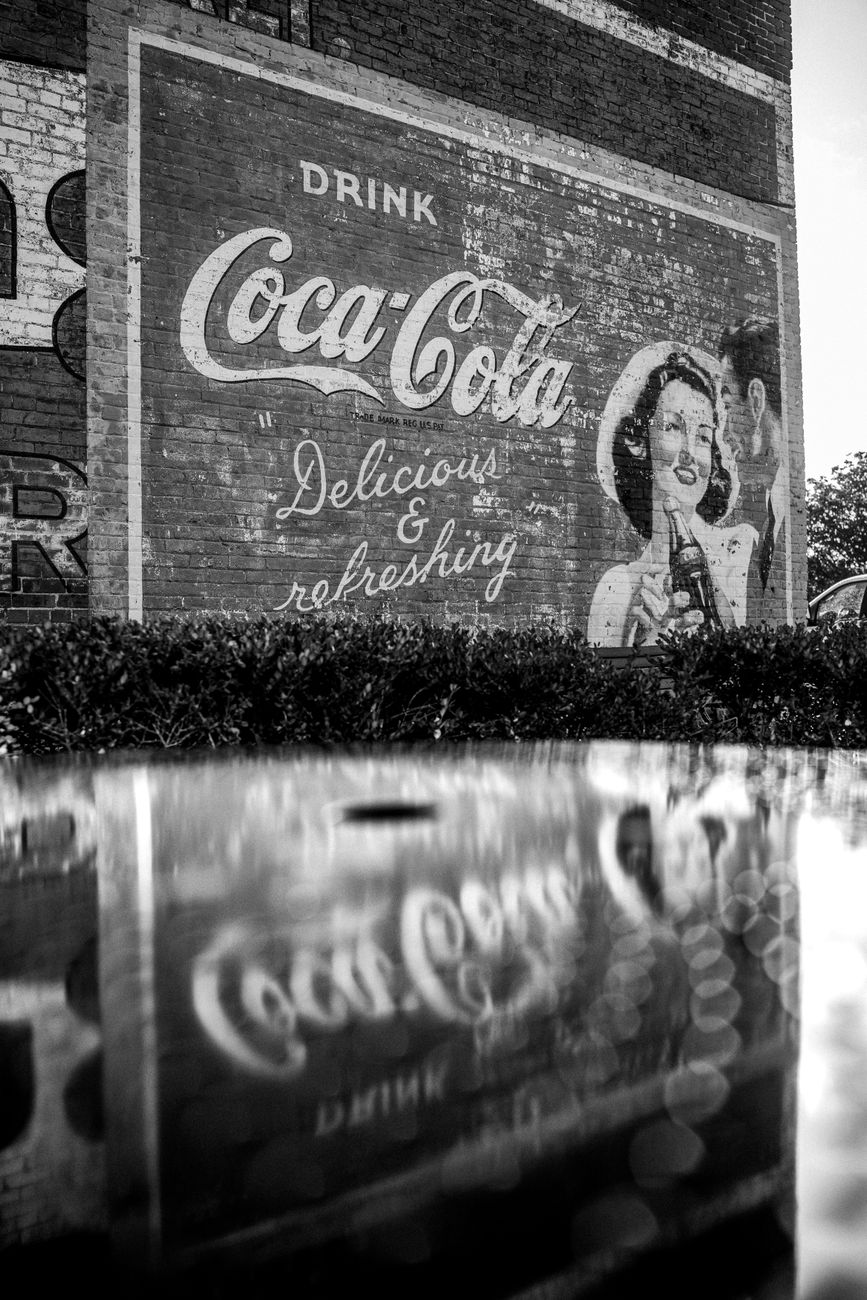
Before you even taste a Coca-Cola, you may have already experienced the brand.
You recognize the red-and-white colors. You know the curved bottle. You can imagine the sound of the cap opening and the carbonation rising. You may remember a Christmas commercial, a family gathering, a restaurant fountain machine, or searching for your name on a “Share a Coke” bottle.
That is what makes Coca-Cola so interesting from a consumer behavior perspective. The company is not simply selling a carbonated beverage. For generations, Coca-Cola has built recognition, memories, traditions, and emotional connections that can influence consumers before they ever take the first sip.
For my MKT 345 final project, I selected The Coca-Cola Company, focusing specifically on the carbonated soft drink category. I chose Coca-Cola because its long history provides an opportunity to examine how one brand has remained recognizable while consumer preferences, generations, lifestyles, technology, and competition have continued to change.
I also have a professional and personal connection to the brand. In my role as a supervisor at Wawa, I regularly interact with Coca-Cola vendors and work around Coca-Cola products through my retail cooler performance project. That allows me to observe Coca-Cola not only as a consumer, but also from the retail environment where consumers are making actual purchase decisions.
From the Soda Fountain to Everyday Life
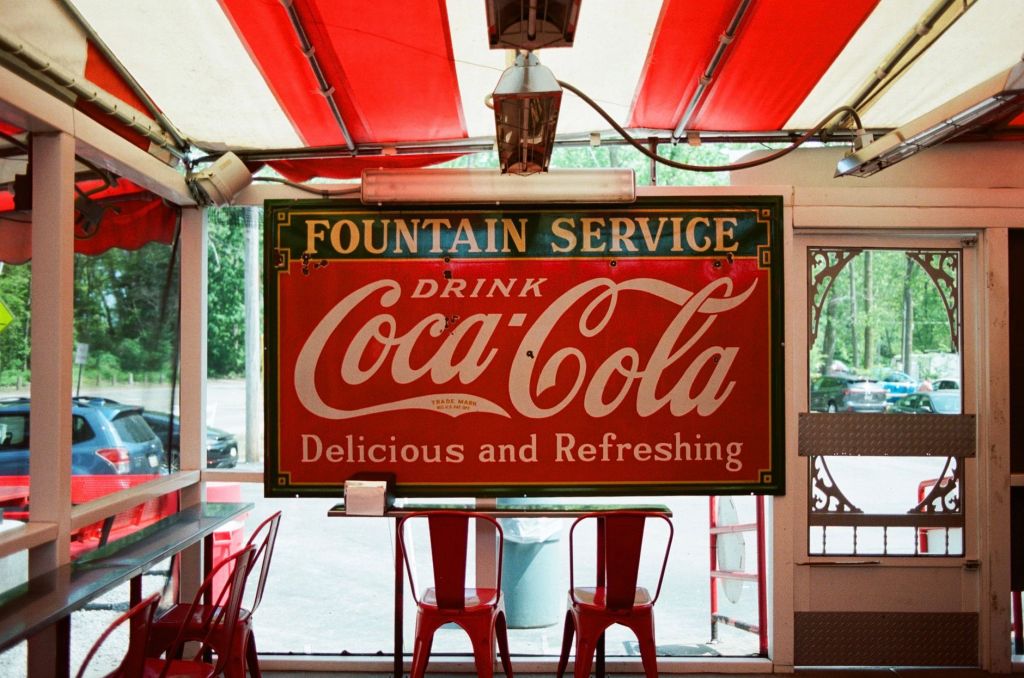
Coca-Cola began in 1886 when pharmacist John S. Pemberton created the beverage in Atlanta, Georgia. One important detail is that Coca-Cola did not begin with the familiar can. It was originally served as a fountain beverage. Bottling developed later and helped transform the product into something consumers could take home and incorporate into their everyday lives (The Coca-Cola Company, n.d.).
From a consumer behavior perspective, that change was significant.
Bottling increased convenience and accessibility. Coca-Cola could become part of family meals, celebrations, travel, restaurants, sporting events, and eventually convenience-store purchases.
Packaging also became part of the brand’s identity. The contour bottle, red color, distinctive script logo, cans, plastic bottles, multipacks, and newer package designs have changed over time, but Coca-Cola has maintained enough familiar visual characteristics that consumers can recognize the brand almost immediately.
That recognition has tremendous value. Statista reported extremely high aided brand awareness for Coca-Cola among U.S. soft-drink consumers, demonstrating how repeated exposure and consistent visual cues can become embedded in consumers’ memories (Statista Research Department, 2025).
In other words, sometimes consumers recognize Coca-Cola before they consciously think about Coca-Cola.
My Coca-Cola Memory: When Consumer Behavior Becomes Personal
My own experience is one reason I wanted to study this brand.
I was born in 1979, and some of my earliest Coca-Cola memories are not statistics or advertisements. They are sensory memories.
I remember the bright red packaging. I remember opening a cold bottle. Most of all, I remember the carbonation—the bubbles in my mouth and that first sensation around my nose when the bottle opened.
Decades later, I can still remember it.
That may seem like a small childhood memory, but consumer behavior helps explain why it matters. Consumers can learn associations through repeated experiences. Color, taste, sound, smell, packaging, and emotion can become connected with a brand and stored in memory.
For me, Coca-Cola was not simply something I drank. It became connected with childhood.
My husband’s experience shows another side of the same idea.
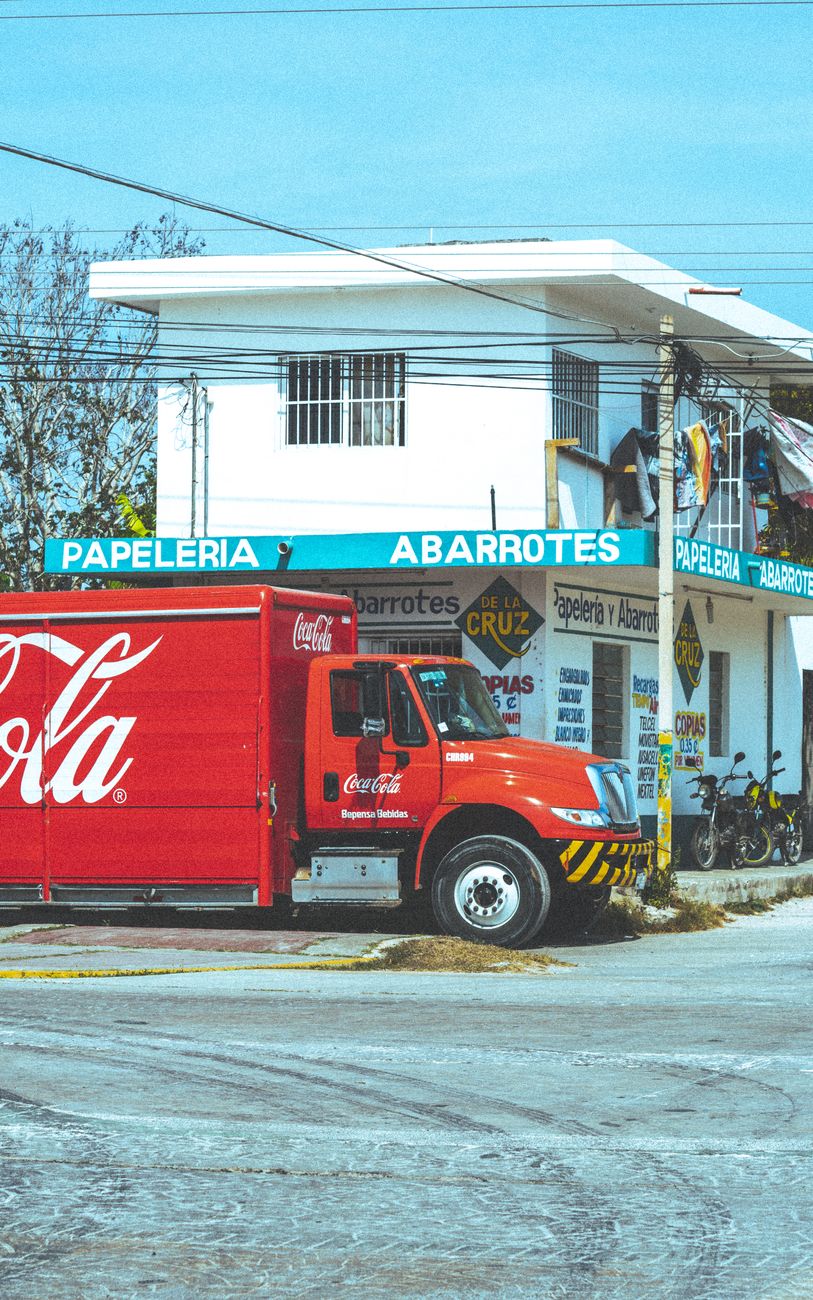
He was born in Ecuador, and his father worked for Coca-Cola there for approximately 25 years before retiring from the company. Coca-Cola was therefore connected not only to a beverage in his childhood, but also to his father’s career and his family’s everyday life.
He remembers living near the Coca-Cola facility and passing it when he was young. He sometimes saw his father through the large windows wearing his work uniform. His father would wave to him and his siblings from inside the building, and sometimes the children would receive a Coca-Cola near the entrance before going home.
His father also talked about Coca-Cola as a company and about how closely its formula and production were protected. Whether a child understood the business behind it or not, those stories helped create a sense of mystery and importance around the brand.
What I find fascinating is that my husband and I grew up in two different countries, yet Coca-Cola became part of both of our childhood memories for completely different reasons.
My connection was taste, color, and carbonation.
His connection was family, community, and his father’s career.
That is consumer behavior in real life.
Coca-Cola Is Selling More Than a Beverage
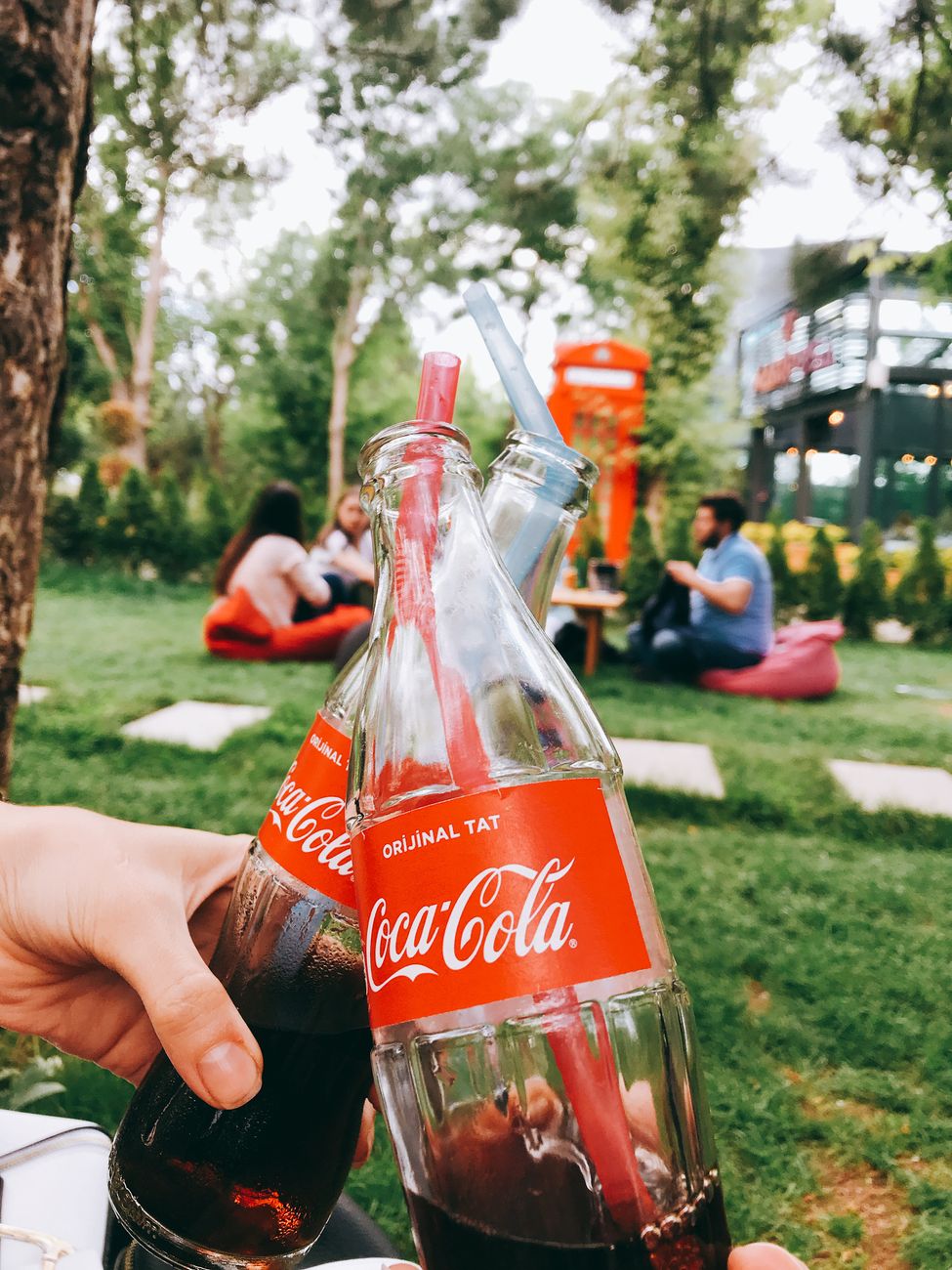
Consumers do not make decisions based only on physical product characteristics. Their choices can also be influenced by memory, culture, family, social groups, emotions, lifestyle, previous experiences, convenience, and brand familiarity.
Coca-Cola has spent generations creating those associations.
Its long connection with holidays is one example. Instead of advertising only what Coca-Cola tastes like, many campaigns have connected the beverage with happiness, celebration, family, friendship, and togetherness.
The Share a Coke campaign is another strong example.
By placing people’s names on Coca-Cola bottles, the company transformed ordinary packaging into something personal. A consumer might search for their own name, their spouse’s name, their child’s name, or a friend’s name. A bottle could suddenly become a gift, a photograph, a social-media post, or a conversation.
From a consumer behavior perspective, that strategy connects with self-concept, personalization, social influence, involvement, and word-of-mouth behavior.
The product itself did not have to completely change.
The consumer’s relationship with the product changed.
Why I Chose the Carbonated Soft Drink Category
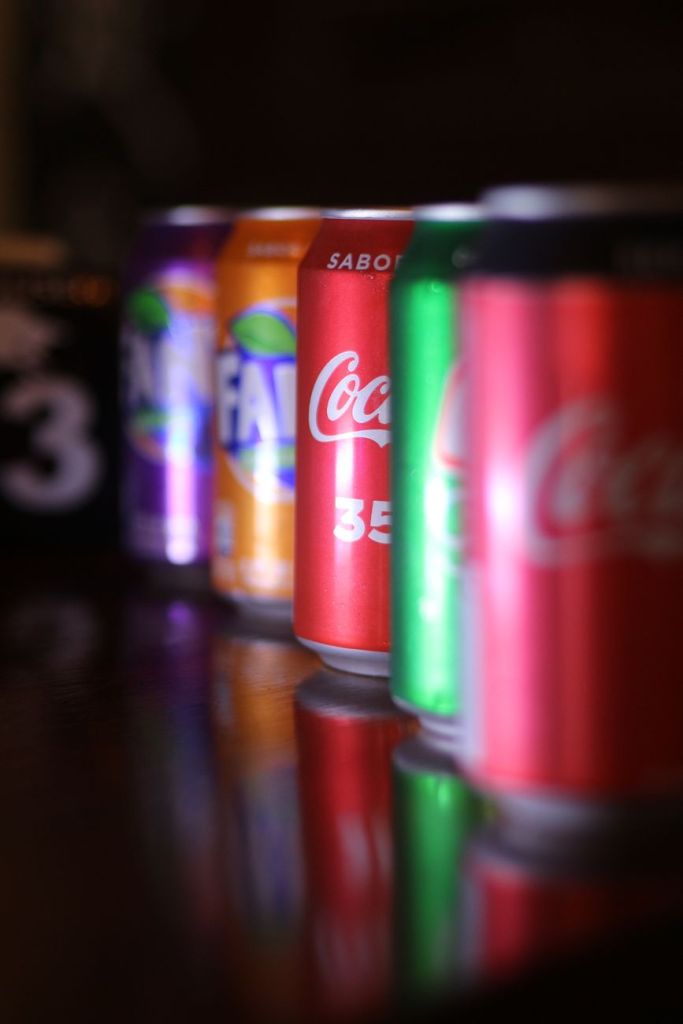
For my final project, I am focusing on Coca-Cola’s carbonated soft drink category rather than only Coca-Cola Original.
I chose this category because today’s consumer has far more choices than previous generations had. Traditional cola now competes with diet products, zero-sugar beverages, flavored sodas, functional beverages, natural sodas, craft products, energy drinks, bottled water, and many other alternatives.
Mintel’s Carbonated Soft Drinks – US – 2026 report demonstrates how diverse consumer preferences have become. Among surveyed carbonated soft-drink consumers, 51% reported consuming regular full-calorie cola, while 39% consumed diet cola. Consumers also reported drinking lemon-lime soda, Dr Pepper-type beverages, fruit-flavored soda, ginger ale, functional soda, natural soda, and craft products (Mintel, 2026).
Frequency reveals another important behavior. Among consumers of regular full-calorie cola, Mintel reported that 15% consumed it more than once a day, 20% once a day, and 30% a few times per week (Mintel, 2026).
That suggests soda can become part of a consumer’s routine and habitual purchasing behavior.
However, Coca-Cola must also respond to consumers who are looking for something different. Products such as Diet Coke and Coca-Cola Zero Sugar demonstrate how the company has attempted to maintain its core identity while responding to changing preferences.
This leads to one of the main questions I want to explore throughout my final project:
How does Coca-Cola preserve more than a century of brand familiarity while adapting to consumers whose expectations continue to change?
One Brand, Different Generations
Generational differences make that question even more interesting.
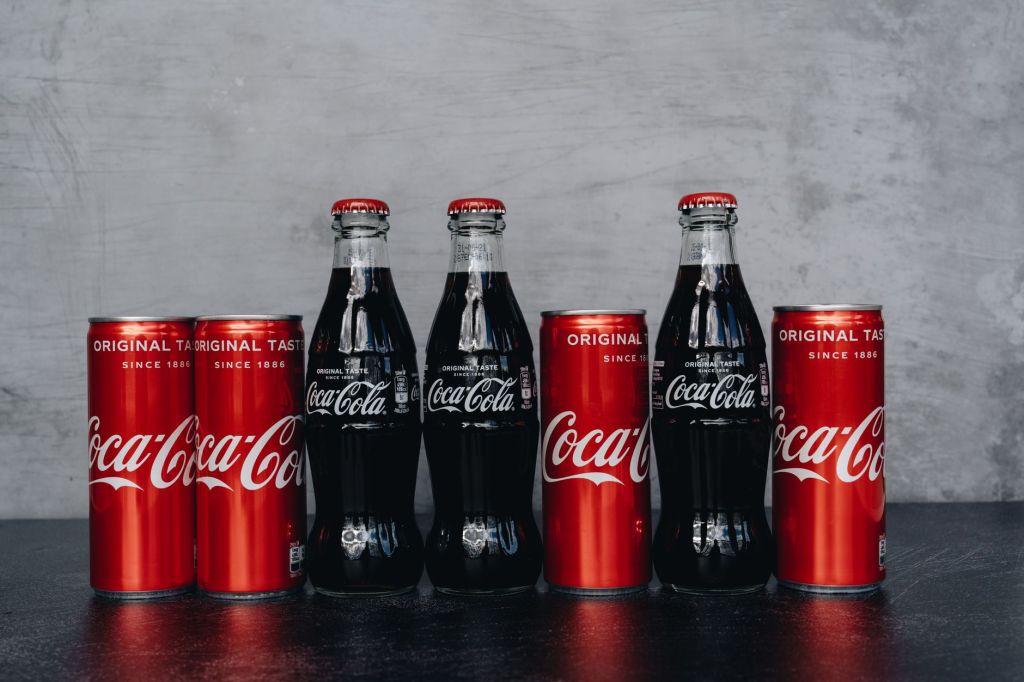
Someone from my generation may associate Coca-Cola with glass bottles, television advertisements, traditional packaging, family gatherings, or memories developed before social media existed.
A younger consumer might experience the same brand through Coca-Cola Zero Sugar, limited-edition flavors, personalized packaging, social media, mobile advertising, digital campaigns, influencers, or a Coca-Cola Freestyle machine that allows consumers to create their own beverage combinations.
The Coca-Cola name may remain the same, but the consumer experience can be completely different.
Babin and Harris (2022) explain that demographics can help marketers describe consumers, but demographics alone cannot fully explain why people behave as they do. Psychographics—including lifestyle, attitudes, interests, motivations, and values—can provide a deeper understanding.
Two consumers can be the same age and still want entirely different things.
One may choose Coca-Cola because of nostalgia.
Another may prefer Coca-Cola Zero Sugar because reducing sugar is important to them.
Another may purchase a new flavor because they enjoy trying new products.
Another may simply grab the coldest bottle from a convenience-store cooler because it is available at the exact moment they want a drink.
Understanding those motivations is much more valuable than assuming everyone within one demographic group behaves the same way.
The Three Resources That Will Guide My Analysis
To strengthen my final consumer behavior analysis, I will use three primary outside research resources.
1. Mintel Academic
My first resource will be Mintel Academic, particularly Carbonated Soft Drinks – US – 2026. Mintel provides current research on beverage consumption, frequency, product preferences, consumer attitudes, generational differences, flavors, diet and zero-sugar products, and emerging trends.
This resource will help me understand what consumers are doing and how category preferences are changing.
2. Statista
My second resource will be Statista. Its research provides quantitative information about Coca-Cola’s awareness, usage, loyalty, market position, and consumer reach.
This resource will allow me to measure how strongly consumers recognize and continue to interact with the Coca-Cola brand.
3. The Coca-Cola Company
My third resource will be The Coca-Cola Company’s historical and corporate materials. These sources will help me examine the company’s history, packaging evolution, product innovation, and marketing strategies.
Because this information comes directly from the company, I will compare it with independent sources such as Mintel and Statista rather than relying on the company’s perspective alone.
I will also use our course textbook, Babin and Harris’s (2022) CB, to connect this research to consumer behavior concepts such as value, learning, memory, self-concept, demographics, psychographics, lifestyle, motivation, and purchase behavior.
Why Coca-Cola Is the Right Company for My Project
Coca-Cola gives me an opportunity to examine several sides of consumer behavior at the same time.
It represents history and innovation.
It represents global reach and individual memories.
It represents a relatively inexpensive consumer product that can carry decades of emotional meaning.
For me, Coca-Cola connects childhood memories with what I now observe professionally in retail.
For my husband, Coca-Cola connects a beverage with memories of his father, his childhood in Ecuador, and a company that supported his family for decades.
Those experiences demonstrate why consumer behavior cannot be understood through sales figures alone.
Data can tell marketers what consumers purchase.
Consumer behavior asks deeper questions:
Why did they choose it?
What value did they receive?
What do they remember about it?
How did family, culture, lifestyle, or previous experiences influence the decision?
What could cause them to choose something different tomorrow?
That is what I want to explore throughout this project.
So, the next time someone opens a convenience-store cooler and automatically reaches for a Coca-Cola, the decision may appear simple.
But before that consumer ever takes the first sip, more than a century of branding—along with taste, memory, habit, culture, family, convenience, lifestyle, social influence, and personal experience—may already be influencing the choice.
That is what makes Coca-Cola more than a drink, and that is what makes it such a powerful company for studying consumer behavior.
References
Babin, B., & Harris, E. (2022). CB (9th ed.). Cengage.
Mintel. (2026). Carbonated soft drinks – US – 2026. Mintel.
Statista Research Department. (2025). Coca-Cola brand awareness, usage, popularity, loyalty, and buzz among soft drink drinkers in the United States. Statista.
The Coca-Cola Company. (n.d.). Coca-Cola history.


Leave a Reply